When it comes to designing your home, the furniture you choose plays a pivotal role in defining your space. Many people believe that matching all their furniture pieces is the key to a harmonious interior. However, this is a misconception that can stifle creativity and limit the potential of your living spaces. At classicdesignsfurniture.com, we advocate for a more eclectic approach that embraces individuality and personal style. In this article, we will explore how to mix and match furniture effectively to create unique interiors that reflect your personality.
Myth: All furniture must match to create a cohesive look.
Truth: Mixing different styles can enhance the overall aesthetic of your space.
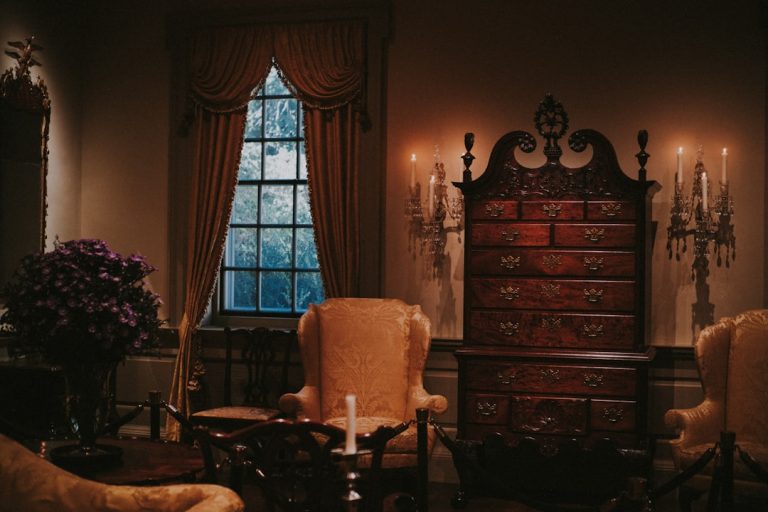
The idea that all furniture must match stems from traditional design principles that prioritize uniformity. While there is beauty in a coordinated look, mixing different styles, colors, and textures can create a more dynamic and visually interesting environment. For instance, pairing a modern sofa with vintage armchairs can add character and depth to your living room. The key is to find a common thread—whether it’s color, material, or shape—that ties the pieces together.
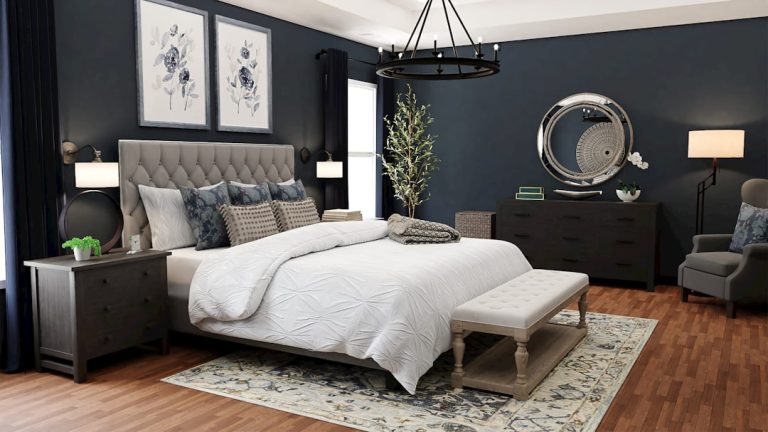
When mixing furniture, consider the scale and proportion of each item. A large, bulky coffee table can overpower a delicate side table, so it’s essential to balance the sizes. Additionally, varying the heights of your furniture can create visual interest. For example, if you have a low-profile sofa, consider adding taller accent chairs to create contrast.
Myth: You can’t mix different wood tones.
Truth: Mixing wood tones can add warmth and richness to your space.
Another common misconception is that all wood furniture must be the same finish or color. In reality, mixing different wood tones can create a layered and inviting atmosphere. For instance, pairing a dark walnut dining table with light oak chairs can create a beautiful contrast that adds depth to your dining area. When mixing wood tones, aim for a balance; choose pieces that complement each other rather than clash. A good rule of thumb is to stick to a color palette that includes warm or cool tones to maintain harmony.
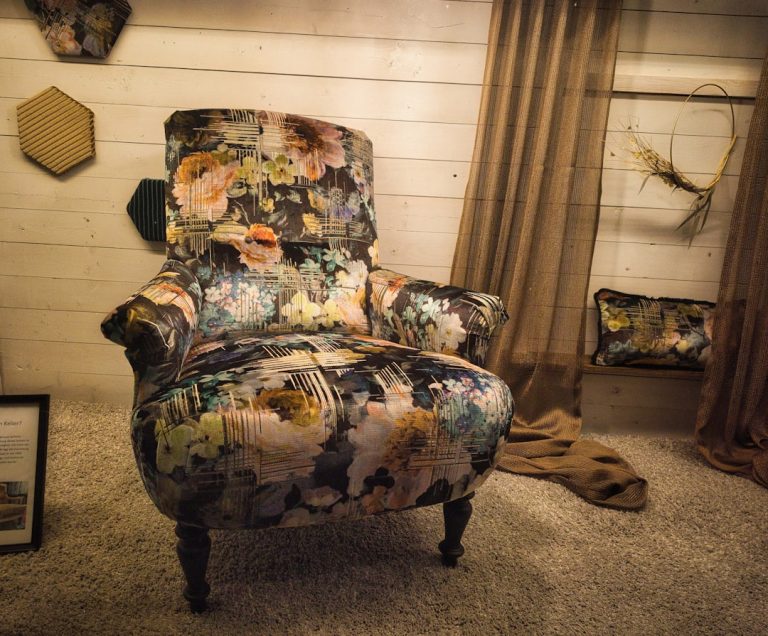
Color is another essential element when it comes to mixing and matching furniture. Don’t shy away from bold colors or patterns. A vibrant accent chair can serve as a focal point in a neutral room, while patterned cushions can add a playful touch to a solid sofa. When incorporating color, consider the overall mood you want to create. Soft pastels can evoke a calm and serene atmosphere, while bright hues can energize a space.
Textures also play a crucial role in creating a unique interior. Mixing materials such as leather, fabric, metal, and wood can add depth and interest to your design. For example, a plush velvet sofa paired with a sleek metal coffee table creates a striking contrast that elevates the overall look. Don’t be afraid to experiment with different textures to find the perfect combination that resonates with your style.
When it comes to accessorizing, remember that less is often more. A few carefully chosen accessories can enhance your furniture without overwhelming the space. Consider adding decorative pillows, throws, or artwork that complements your furniture choices. These elements can tie the room together and add a personal touch.
Finally, trust your instincts. The most important aspect of mixing and matching furniture is to create a space that feels authentic to you. Don’t be afraid to break the rules and experiment with different combinations. Your home should reflect your personality and style, so embrace the process of curating a unique interior.
In conclusion, mixing and matching furniture is an art that allows you to express your individuality and create a space that feels uniquely yours. By understanding the myths surrounding furniture design and embracing the truth about mixing styles, colors, and textures, you can transform your home into a beautiful and inviting sanctuary. At classicdesignsfurniture.com, we believe that every piece of furniture has a story to tell, and when combined thoughtfully, they can create a narrative that is distinctly yours.